Aadhaar OTP Delays During Peak Hours: Causes & Easy Fixes
OTP delays during peak hours on the Aadhaar UIDAI portal usually happen when too many people request verification codes at the same time. This can overload SMS gateways, mobile networks, banks, apps, or telecom routes. As a result, your OTP may arrive late, expire before you use it, or not arrive at all.
The fastest fixes are simple: wait a minute before requesting again, check your mobile signal, restart your phone, turn off spam blocking, remove VPN if required, and try another verification method if available, such as an alternate phone number or email linked to your Aadhaar UIDAI account.
What Does OTP Delay Mean?
An OTP delay means your one-time password does not arrive instantly. You may request a code for login, payment, banking, food delivery, shopping, or account verification, but the message comes late. Sometimes it arrives after 2 minutes. Sometimes after 10 minutes. In some cases, it arrives after the code has already expired. That is frustrating because OTPs are time-sensitive. Most codes are valid for only a short time. If the code comes late, it becomes useless.
Why Do OTP Delays Happen During Peak Hours?
OTP delays during peak hours on the my Aadhaar portal happen because many people are using the same systems at once. Think of it like traffic on a busy road. When too many cars enter the same road, everything slows down. The same thing can happen with OTP messages.
During busy times, thousands or millions of users may request codes from banks, apps, stores, delivery platforms, websites, and the my Aadhaar portal.
These codes pass through different systems before reaching your phone. A normal OTP journey may look like this: my Aadhaar portal sends request → OTP provider creates code → SMS gateway sends message → telecom carrier processes it → mobile tower delivers it → your phone receives it. If any step slows down, your OTP is delayed.
Common Peak Hours for OTP Delays
OTP delays are more common during times when many people are online. These may include:
During these periods, SMS systems and app servers can get overloaded.
1. SMS Gateway Congestion
One of the biggest reasons for OTP delays is SMS gateway congestion. An SMS gateway is the system that sends OTP messages from an app, website, bank, or company to your mobile network. When too many OTPs are sent at once, messages may enter a queue. That means your OTP is waiting behind many other messages.
Simple Example
Imagine 10,000 people trying to enter one small door at the same time. Everyone cannot pass instantly. Some people must wait. SMS gateways work in a similar way. When message volume is too high, delivery slows down.
What You Can Do
If your OTP is delayed, wait at least 30 to 60 seconds before requesting another code. Pressing “resend OTP” too many times can create more confusion because you may receive old and new codes together. Use the latest OTP only.
2. Mobile Network Overload
Your mobile carrier also plays a big role. Even if the app sends the OTP quickly, your network must still deliver it to your phone. During peak hours, mobile networks can become busy. This can happen in crowded places like malls, stadiums, airports, offices, concerts, and city centers. If your carrier is overloaded, OTP messages may arrive late.
Signs This May Be the Problem
Your mobile network may be the issue if:
What You Can Do
Move to a place with better signal. Turn airplane mode on for 10 seconds, then turn it off. This helps your phone reconnect to the network. You can also restart your phone if messages are stuck.
3. Weak Signal or Poor Coverage
OTP delays are not always caused by the app. Sometimes your phone simply has poor network coverage. If you are inside a basement, lift, parking area, thick-walled building, rural area, or underground station, SMS delivery may slow down. OTP messages need your phone to be reachable. If your phone is struggling to connect, the message may wait until the signal improves.
What You Can Do
Try these quick fixes:
Small signal changes can make a big difference.
4. App or Bank Server Load
Sometimes the OTP is delayed before it even reaches the SMS gateway. This happens when the app, bank, or website is overloaded. For example, during a big sale, thousands of users may try to log in, pay, or verify accounts at the same time. The company’s server may slow down while generating OTPs. In this case, your phone and mobile network may be fine. The delay starts from the service provider’s side.
What You Can Do
Wait a few minutes and try again. If the app offers another verification method, use it. For banking or payment apps, avoid making repeated OTP requests too quickly. This may trigger security checks or temporary limits.
5. Carrier Filtering
Mobile carriers often filter messages to block spam, fraud, and unwanted promotional texts. This is helpful, but sometimes real OTP messages can be delayed or filtered by mistake. This can happen if the sender ID looks suspicious, the message format changes, or the OTP provider uses a poor route.
Signs of Carrier Filtering
Carrier filtering may be the issue if:
What You Can Do
Check your spam or blocked messages folder. Some Android phones move OTPs into spam automatically. Also check if you blocked short codes or unknown senders.
6. Too Many OTP Requests
Pressing “resend OTP” again and again can make the problem worse. Many apps have rate limits. If you request too many codes in a short time, the app may slow down or block new OTPs for security reasons. You may also receive multiple codes out of order. This creates confusion because the first code may arrive after the second one.
What You Can Do
Wait before requesting again. Use only the most recent OTP. If you requested multiple codes, ignore older ones. A good rule is: request once, wait at least one minute, then try again.
7. Phone Message App Issues
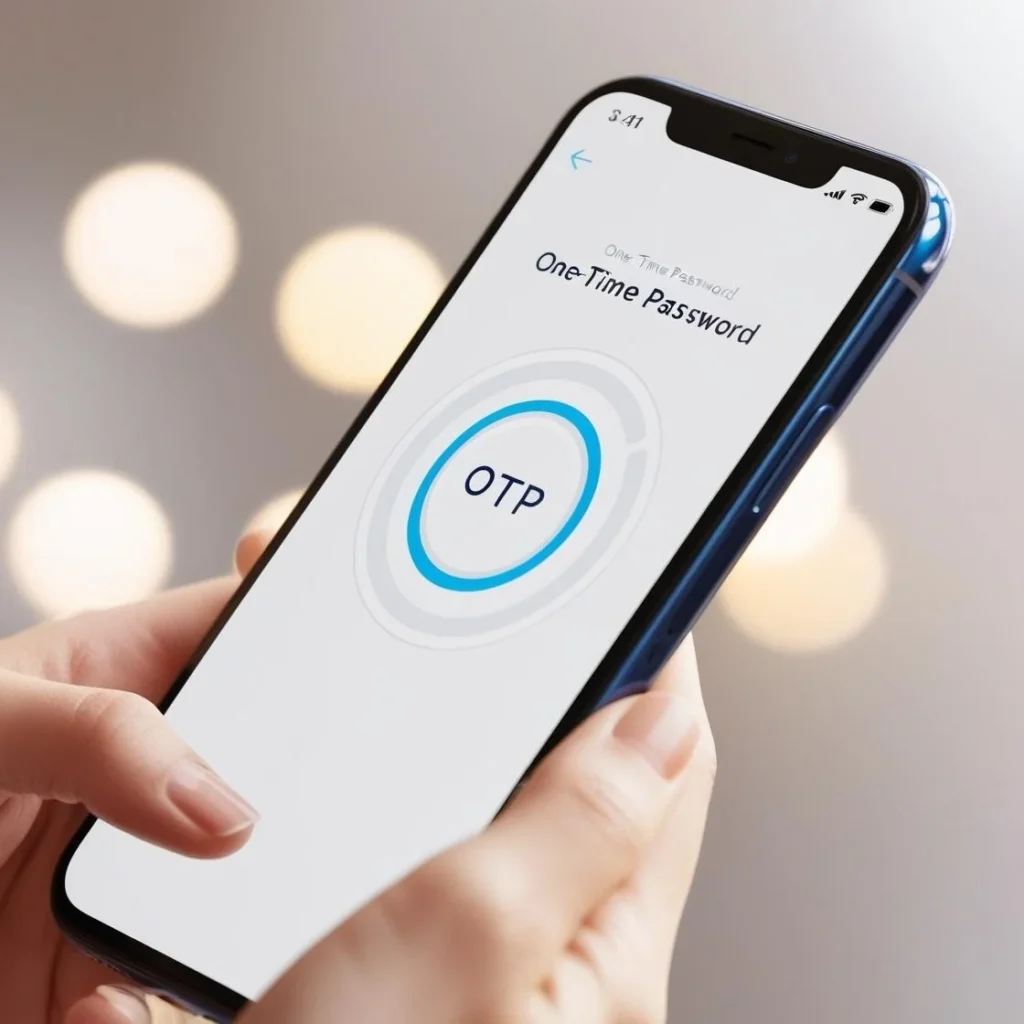
Sometimes the OTP reaches your phone, but your messaging app does not show it properly. This can happen due to app bugs, full storage, spam filters, notification issues, or outdated software.
What You Can Do
Try these steps:
If you use a third-party SMS app, switch to the default phone messaging app and test again.
8. Dual SIM Confusion
If your phone has two SIM cards, OTP delays can happen when the app is linked to one number but your phone is using another SIM as default. Some apps also check whether the registered SIM is active in the same device.
What You Can Do
Make sure the registered number is active. Check which SIM is selected for SMS and mobile data. If needed, temporarily disable the other SIM and request the OTP again.
9. Roaming Issues
If you are traveling, OTP delivery may be slower. International roaming adds more steps between the app, SMS provider, telecom partner, and your phone. Some banks and apps also block or delay OTPs when they detect a new country or unusual login location.
What You Can Do
Turn on roaming if needed. Check if your SIM can receive international SMS. Use Wi-Fi calling only if your carrier supports SMS over Wi-Fi. For important accounts, set up backup verification before traveling.
10. Expired OTP Codes
Sometimes the OTP arrives, but it arrives too late. By the time you enter it, the code has expired. This is common during peak hours because OTPs are usually valid for a short time.
What You Can Do
Do not use an old OTP. Request a new one after waiting for the timer to finish. If multiple OTPs arrive, use the latest code only.
What Users Can Do to Receive OTP Faster
Here are simple user-side fixes:
- Check your signal.
- Turn airplane mode on and off.
- Restart your phone.
- Wait before requesting another OTP.
- Use the latest OTP only.
- Check spam or blocked SMS.
- Clear your message app cache.
- Update the app you are using.
- Turn off battery saver temporarily.
- Make sure your SIM is active.
- Try another verification option.
- Contact support if the issue repeats.
These steps do not fix every OTP delay, but they solve many common cases.
What Businesses Can Do to Reduce OTP Delays
If you run an app, website, fintech product, e-commerce store, or delivery platform, OTP delays can hurt users badly. People may leave your app if they cannot log in or pay. Here are helpful business-side fixes:
A good OTP system should not depend on only one route.
Best Alternatives When SMS OTP Is Delayed
SMS is easy, but it is not always the fastest. If an app gives you another option, try it. Better alternatives may include:
For important accounts like banking, email, cloud storage, and business tools, it is smart to set up more than one verification method.
Should You Keep Requesting OTP Again and Again?
No. Repeated requests can delay the process more. When you request too many OTPs, three things can happen: First, the app may block you temporarily. Second, you may receive old codes after new ones. Third, the system may treat your activity as suspicious. The better option is to wait, check your signal, and request again only after the timer ends.
How Long Should an OTP Take to Arrive?
In normal conditions, an OTP should arrive within a few seconds. Sometimes it may take up to one minute. During peak hours, it can take longer. If it takes more than 5 minutes, the code may already be expired or close to expiring. At that point, request a new code or use another verification method.
When Should You Contact Support?
Contact support if:
If you receive OTPs you did not request, secure your account immediately. Change your password and turn on stronger security.
Are OTP Delays Dangerous?
OTP delays are usually not dangerous by themselves. They are mostly a delivery problem. But unexpected OTPs can be a warning sign. If you receive a code without trying to log in, someone may be attempting to access your account. In that case, do not share the code with anyone. No real bank, app, or support agent should ask for your OTP.
Quick Troubleshooting Checklist
If your OTP is delayed during peak hours, try this:
This checklist is simple, but it works for many users.
FAQs
Final Thoughts
OTP delays during peak hours are common because many people are trying to verify accounts, make payments, or log in at the same time. The delay can happen at the app server, SMS gateway, telecom carrier, or phone level.
For users, the best steps are simple: wait, check signal, avoid repeated resend requests, and use another verification method if available. For businesses, the best solution is stronger OTP infrastructure, backup routes, real-time monitoring, and clear user messages. A delayed OTP is annoying, but in most cases, it is temporary and fixable.